GNU social JP
  • FAQ
  • Login
GNU social JPは日本のGNU socialサーバーです。
Usage/ToS/admin/test/Pleroma FE
  • Public

    • Public
    • Network
    • Groups
    • Featured
    • Popular
    • People

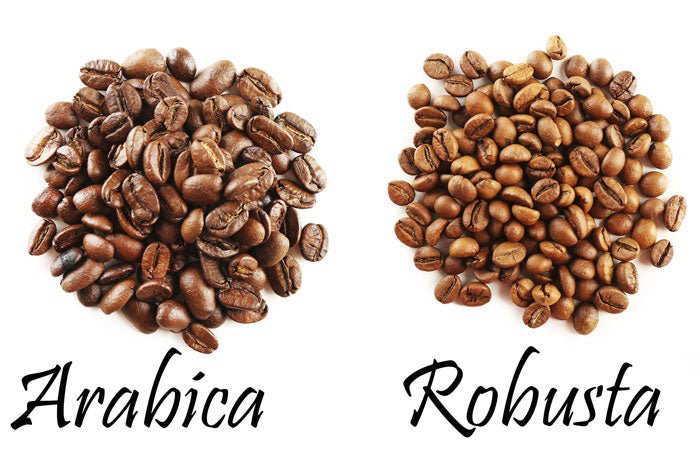
Two piles of roasted coffee beans sit side by side on a white background. The left pile, labeled “Arabica,” shows larger, more elongated beans with a pronounced center crease and a darker, more uniform roast. The right pile, labeled “Robusta,” shows smaller, rounder beans with a lighter, more uneven roast and a less defined crease.

Download link

https://atomicpoet.org/media/3ee2e204d1f37cddfb7ff419dd101fe98669b73e5302d6d0c67ef379344739f5.png

Notices where this attachment appears

  1. Embed this notice
    Chris Trottier (atomicpoet@atomicpoet.org)'s status on Tuesday, 16-Dec-2025 04:52:02 JST Chris Trottier Chris Trottier

    My unpopular coffee opinion:

    Robusta is not worse than Arabica.

    If you treat Robusta like Arabica, it tastes worse. If you treat it like Robusta, it can be excellent.

    The key is controlled development. Robusta benefits from a steadier roast curve and a medium-dark to dark finish. The key, though, is that it needs proper heat to push it through second crack without baking it.

    Where Robusta shines is in slow but measured extractions: espresso, phin drips, and cold brew. Vietnamese phins run long compared to pour-overs. Cold water suppresses bitterness and brings out the chocolate-heavy profile that good Robusta is known for.

    Handled with the right roast and the right method, Robusta can be remarkable. Good Robusta has hints of cocoa, nuts, and slight spice. But you won’t get there if you brew it like Arabica.

    In conversation about 4 months ago from atomicpoet.org permalink
  • Help
  • About
  • FAQ
  • TOS
  • Privacy
  • Source
  • Version
  • Contact

GNU social JP is a social network, courtesy of GNU social JP管理人. It runs on GNU social, version 2.0.2-dev, available under the GNU Affero General Public License.

Creative Commons Attribution 3.0 All GNU social JP content and data are available under the Creative Commons Attribution 3.0 license.